

Understanding the Basics of Bluffing
Bluffing in poker is an intricate art that can turn the tide of a game when executed effectively. At its core, a bluff involves making a bet or raise with a weak hand, hoping to convince opponents that you have a stronger hand than you actually do. This psychological strategy hinges on the ability to read your opponents and gauge their potential reactions to your actions. Many players also seek out a fast withdrawal online casino to quickly access their winnings after a successful game. Successful bluffing requires an understanding of poker dynamics and the importance of position at the table.
To master bluffing, it is essential to grasp the concept of table image. Your reputation at the table significantly influences how opponents perceive your bets. If you have been playing tightly and consistently showing strong hands, your opponents may be more inclined to fold at your aggressive actions. Conversely, if you have been caught bluffing previously, they may call your bets more frequently, rendering your attempts less effective.
Additionally, knowing when to bluff is vital for success. Factors such as table dynamics, the number of players in the hand, and the community cards can impact your bluffing strategy. For instance, a well-timed bluff is often more effective when fewer players are involved, as there are fewer chances for someone to hold a strong hand. Understanding these nuances is crucial for any player looking to implement bluffing as a key part of their poker strategy.
Types of Bluffs and Their Applications
There are several types of bluffs that players can utilize, each tailored to different situations at the poker table. The classic “pure bluff” is when a player bets or raises with no chance of winning if the hand goes to showdown, relying solely on the hope that their opponents will fold. This tactic requires a strong read on your opponents and an understanding of their ranges. It can be an effective strategy when executed against players who are known to fold easily in the face of aggression.
Another effective bluffing strategy is known as the “semi-bluff.” In this scenario, a player bets with a drawing hand, which has the potential to improve. This approach allows players to apply pressure while still having a chance to win even if their bluff is called, as they could hit a favorable card on the turn or river. This type of bluff is particularly useful in situations where the odds are in your favor to complete the draw.
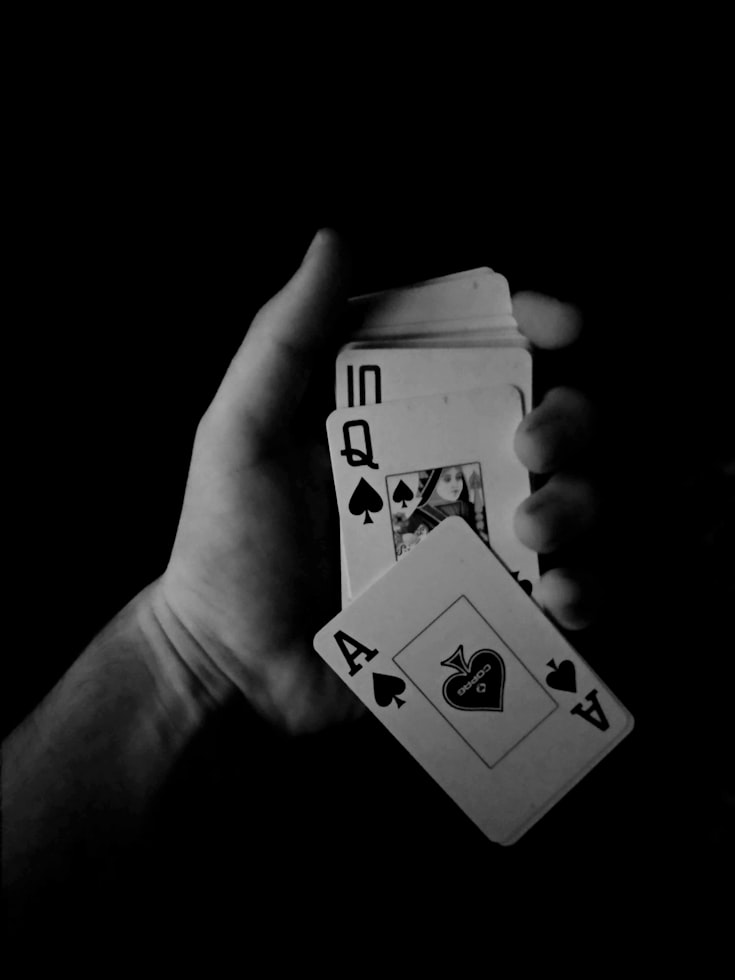
Moreover, context is crucial when deciding on the type of bluff to employ. Analyzing the tendencies of your opponents—such as their likelihood of folding or calling—can guide your bluffing strategy. Tailoring your approach based on the players at your table can mean the difference between a successful bluff and a costly mistake. Knowing when to switch between pure and semi-bluffs depending on your read can elevate your overall game significantly.
The Psychology Behind Bluffing
Bluffing is not just a technical aspect of poker; it is deeply rooted in psychology. Understanding your opponents’ thought processes and emotions can provide you with valuable insights into how to execute a successful bluff. For instance, players often exhibit certain behaviors when they are unsure about their hands—such as fidgeting, avoiding eye contact, or even becoming overly chatty. Recognizing these tells can help you determine whether a bluff might be effective.
Moreover, the concept of “putting opponents on a range” is fundamental in the psychology of bluffing. Experienced players analyze the potential hands their opponents might hold based on their actions throughout the game. By narrowing down this range, you can better assess the risk of bluffing. If you believe your opponent has a weak hand or is on a draw, your chances of successfully executing a bluff increase significantly.
Another key psychological factor is the element of risk versus reward. Players must weigh the potential benefits of a successful bluff against the consequences of being called. Cultivating a fearless mentality allows you to make bold moves when the situation calls for it. This confidence can be contagious, influencing your opponents’ decisions and heightening the effectiveness of your bluffing tactics. Understanding and mastering these psychological aspects is essential to becoming a formidable player in any poker game.
Bluffing Strategies for Different Game Formats
Bluffing strategies can vary significantly based on the format of the game being played. In cash games, where players have more time and financial resources to recover from losses, bluffing can be more aggressive. The nature of cash games allows for deeper stacks, which can lead to more psychological battles around the table. Players may be more cautious, but the potential for a well-timed bluff can create substantial rewards.

Tournaments, on the other hand, present their own set of challenges when it comes to bluffing. The importance of chip preservation in the early stages often leads players to call down more frequently, while later stages can see looser calls as players become desperate to accumulate chips. Understanding the stage of the tournament is crucial for timing your bluffs appropriately. Your approach to bluffing may need to adapt significantly based on your stack size, the dynamics of the remaining players, and the payout structure.
Additionally, online poker introduces unique elements to bluffing strategies. In an online setting, players cannot rely on physical tells, making it necessary to pay closer attention to betting patterns and timing. Utilizing software tools can help analyze behaviors, allowing players to identify when their opponents are likely to be weak. Adapting your bluffing strategy to suit the format—whether in cash games, tournaments, or online—will enhance your ability to play effectively across various scenarios.
Final Thoughts on Bluffing Mastery
Mastering the art of bluffing in poker is a continuous journey that requires practice, observation, and adjustment. As you develop your skills, it is important to remain adaptable and responsive to new information, both from your opponents and the game as it unfolds. Continuous learning, whether through studying successful players, reviewing past hands, or seeking feedback, will help refine your bluffing techniques over time.
Moreover, creating a balance between your aggressive betting and tight playing style will keep opponents guessing, heightening the effectiveness of your bluffs. Remaining unpredictable is key to establishing dominance at the table. As you integrate bluffing into your overall poker strategy, remember that the ultimate goal is not just to win individual pots, but to cultivate a comprehensive understanding of the game and its psychological elements.
Engaging with a community of players, reading up on advanced strategies, and participating in discussions can significantly enhance your bluffing prowess. Whether you are a novice or an experienced player, dedicating time to study and practice will help you become a confident and formidable force at the poker table. By continuously honing your skills and adapting to new challenges, you will increasingly master the art of bluffing in casino poker.